Physical Address
304 North Cardinal St.
Dorchester Center, MA 02124
Physical Address
304 North Cardinal St.
Dorchester Center, MA 02124

You’ve probably stockpiled food, water, and emergency supplies for the usual suspects—hurricanes, earthquakes, maybe even a pandemic. But what about threats that don’t make the evening news? Eight critical disaster scenarios remain dangerously under-prepared for in most households, from week-long GPS failures that would cripple transportation to medication supply chain collapses that could turn manageable conditions deadly. These aren’t far-fetched doomsday fantasies—they’re entirely possible disruptions you’ll wish you’d considered.

While most of us have experienced the inconvenience of a power outage lasting a few hours or even a day, you’ve likely never faced a true grid collapse that stretches for weeks or months. This isn’t your garden-variety blackout—it’s a catastrophic failure where grid stability becomes a distant memory.
During extended collapses, energy rerouting capabilities break down completely. Your refrigerator won’t just lose today’s leftovers; you’ll face food security challenges comparable to pre-industrial times. Cash becomes king when ATMs and credit card systems fail. Communication systems? Gone. Medical devices requiring power? Compromised.
The ripple effects extend beyond mere discomfort—think sewage backups, fuel shortages, and security concerns. Unlike those “fun” candlelit evenings during brief outages, extended grid failure demands serious preparation: alternative cooking methods, water purification systems, and non-electronic entertainment options.
Although we rely on GPS technology for everything from morning commutes to emergency response systems, few people understand how catastrophic a thorough GPS failure would be to modern society. Our GPS dependency extends far beyond getting directions to that new restaurant.
Truth is, GPS satellites synchronize electrical grids, financial transactions, and telecommunications networks. Without them, ATMs would freeze, phone calls would drop, and power distribution would falter. You’d face immediate navigation challenges—not just getting lost on back roads, but supply chains grinding to a halt as shipping vessels and delivery trucks lose positioning.
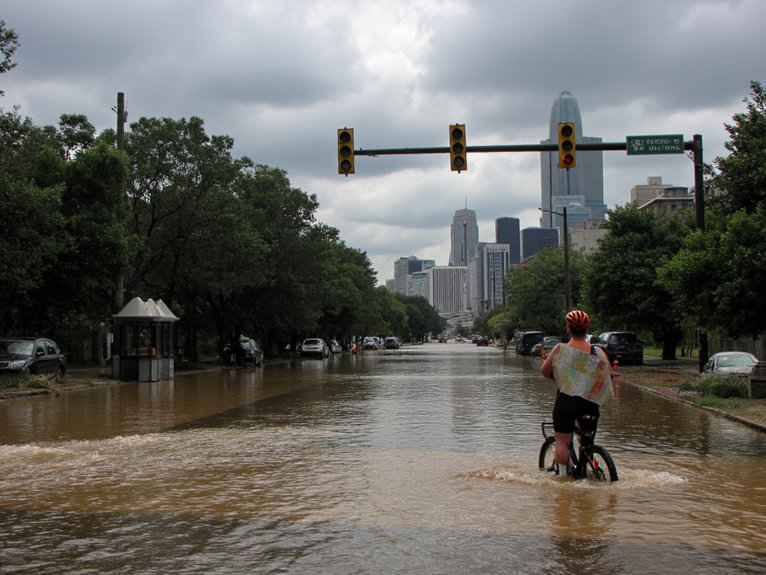
Remember that paper map collecting dust in your glove compartment? Might be time to brush up on those old-school navigation skills. When satellites go silent, the compass and stars become relevant again.
While we’d all like to believe our financial systems are bulletproof, a widespread banking crash could leave you unable to access your money both digitally and physically. You’ll want to maintain a reasonable cash reserve at home—enough to cover essential expenses for at least two weeks—while also diversifying your assets across different financial platforms, including cryptocurrency options that might remain functional during traditional banking failures. Consider familiarizing yourself with offline transaction methods, such as bartering networks or community exchange systems, which can provide vital alternatives when electronic payment systems go dark.
How often have you imagined what you’d do if ATMs stopped working and online transactions failed simultaneously? It’s a scenario most dismiss until it happens. During major system outages, those with physical cash maintain purchasing power while others scramble.
Financial experts recommend keeping enough cash at home to cover 1-2 weeks of essential expenses—typically $1,000-2,000 per person. Store it in waterproof containers in denominations of $1, $5, $20, and some coins. A cash reserve prevents you from joining the inevitable cash hoarding panic that follows banking failures.
Physical cash serves as your immediate financial lifeline, but let’s be honest—modern wealth exists primarily in digital form. If banking systems crash simultaneously, your accounts could become inaccessible for weeks or longer. You need a strategic approach to digital asset diversification.
Consider maintaining assets across multiple platforms—traditional banks, credit unions, and yes, cryptocurrency. While Bitcoin might seem volatile, it operates independently from conventional banking systems. Cryptocurrency security isn’t optional; it’s essential. Invest in hardware wallets that store your keys offline, away from potential hackers.
Digital wallet backups should follow the 3-2-1 rule: three copies, on two different media types, with one stored off-site. Remember when thousands lost millions because they couldn’t access their Bitcoin wallets? Don’t be that cautionary tale. Your future self will thank you.
When traditional banking networks collapse, you’ll need reliable alternatives for everyday transactions that don’t involve digital banking systems. I learned this firsthand during a three-day outage in my city – no cards, no ATMs, just confusion. Establishing local barter systems isn’t just prepper paranoia; it’s practical insurance.
Start by identifying valuable skills and items you can trade. Mechanical knowledge, medical expertise, and practical crafts become premium currencies when cash is worthless. Consider stocking tradeable commodities like coffee, alcohol, or batteries – small, valuable items that retain universal appeal.
The smartest preppers already participate in local trade networks before disasters hit. Farmers markets, skill exchanges, and community co-ops aren’t just hipster hangouts – they’re the infrastructure of resilience when the digital economy flatlines.
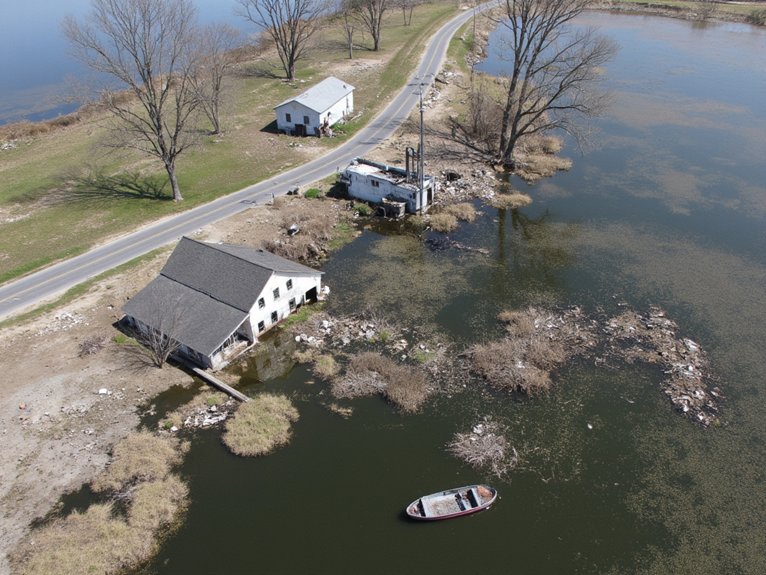
Should a significant event compromise your local water infrastructure, you’ll face one of the most serious threats to long-term survival: a fresh water contamination crisis. Unlike temporary outages, these situations can persist for months, even years.
Your primary defense? Advanced water filtration systems that handle multiple contaminant types—not just sediment, but chemical and biological threats too. Don’t rely solely on store-bought filters; learn DIY methods using activated charcoal and sand layers.
Equally critical is contamination detection. Those cheap test strips at camping stores? They’re your new best friends. They won’t catch everything, but they’ll alert you to dangerous pH levels and common toxins. Remember, water that looks clean can still kill you. The average person touches their face 23 times an hour—imagine doing that with invisible contaminants on your hands.
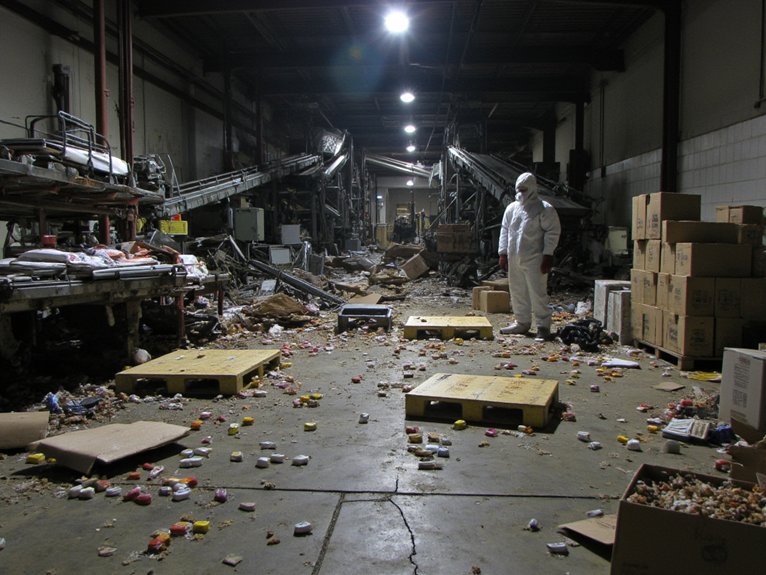
When your medication supply chain collapses during a crisis, you’ll need more than hope to manage chronic conditions. Start rotating a 90-day backup of critical prescriptions now, while researching evidence-based herbal alternatives that might substitute in emergencies. You should also learn basic first aid protocols for common conditions like infections, allergic reactions, and pain management—knowledge that might save a life when pharmacies aren’t an option.
How would you survive if your life-saving medications suddenly became unavailable? It’s a terrifying thought, yet many of us haven’t prepared for this scenario. Most prescriptions allow only 30-day supplies, leaving you vulnerable during emergencies.
Start by talking to your doctor about obtaining emergency reserves. Some will write 90-day prescriptions or provide samples for your emergency kit. Proper prescription storage is essential—avoid bathroom medicine cabinets where humidity degrades medications faster. Instead, use cool, dry locations in sealed containers with moisture-absorbing packets.
Don’t forget to track medication expiration dates! While many meds remain effective slightly beyond their printed date (antibiotics being a notable exception), rotating your stock ensures maximum efficacy. I learned this lesson when my own emergency stash of asthma medication had degraded considerably during a power outage. Trust me, you don’t want that surprise.
The global pharmaceutical supply chain, while normally reliable, remains frighteningly fragile during major disasters—something I witnessed firsthand during Hurricane Katrina’s aftermath when patients couldn’t access insulin for weeks. You don’t want to be caught unprepared.
Consider researching herbal remedies with scientifically-backed benefits. Echinacea for immune support, valerian root for sleep, and willow bark (nature’s aspirin) deserve space in your emergency kit. They won’t replace prescription medications entirely, but they’re better than nothing.
Learn basic acupuncture techniques, too. Properly applied pressure points can reduce pain and nausea without pharmaceuticals. A simple diagram and practice now could save you considerable suffering later. Remember: alternative medicine isn’t about replacing modern healthcare—it’s your backup when the system fails.
Many disaster preppers stockpile medications but fail to acquire the knowledge needed to use them effectively—a dangerous oversight I’ve seen repeatedly in community emergency response situations. Beyond basic first aid skills, you must understand how to deploy your medical resources when professional help isn’t available.
Consider developing these critical DIY treatment competencies:
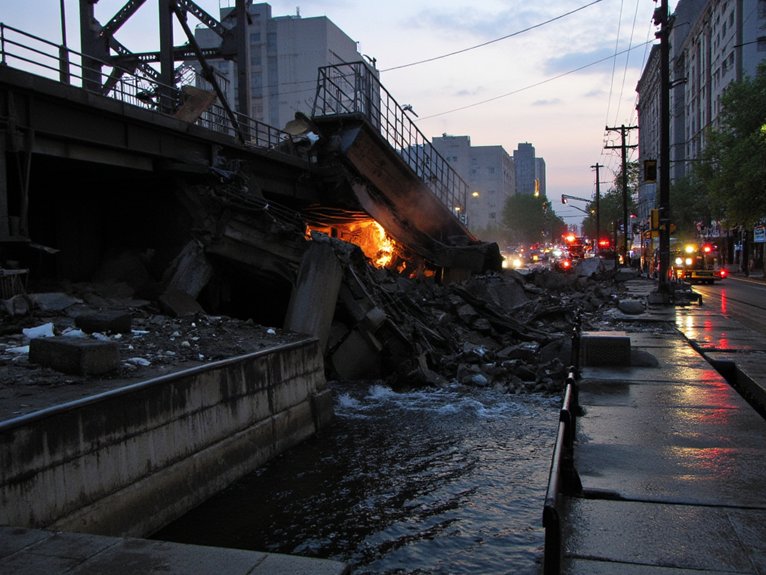
When several critical systems fail simultaneously, you’re facing what experts consider the most dangerous disaster scenario imaginable. Modern urban infrastructure is interconnected through cyber physical systems, making cascading failures not just possible but probable.
| System Failure | Immediate Impact | Your Priority Action |
|---|---|---|
| Power Grid | No electricity, HVAC, refrigeration | Deploy backup power, conserve batteries |
| Water Supply | No drinking water, sanitation issues | Activate stored water, collect rainwater |
| Communications | No phones, internet, emergency alerts | Use radio, establish neighborhood relay |
| Transportation | No evacuation routes, supply delivery | Shelter in place, use bicycle alternatives |
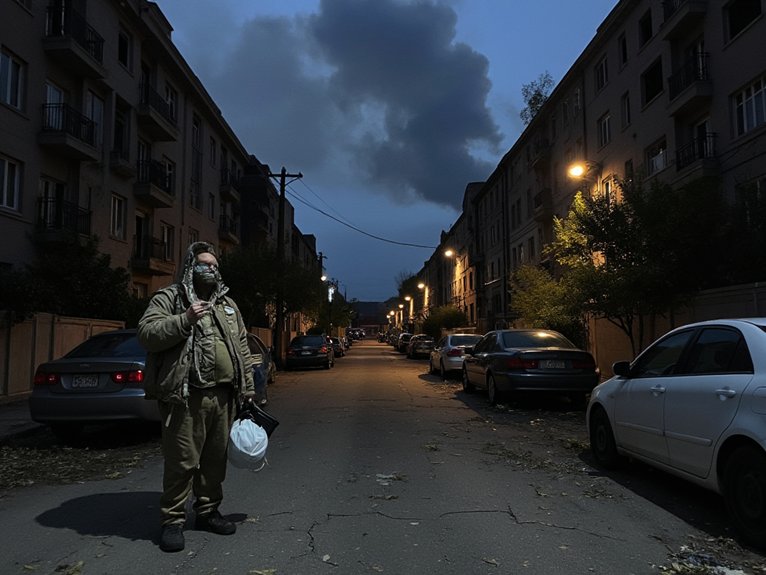
Although we’ve grown accustomed to constant connectivity, a widespread communication blackout would rapidly transform modern society into isolated pockets of information deserts. I’ve seen firsthand how people panic when they can’t check social media for just a few hours—imagine weeks without access. Your satellite communications equipment might be the only link to the outside world when traditional networks fail.
Prepare yourself by:
The psychological impact of communication isolation often exceeds the practical challenges. Most people haven’t experienced true disconnection since the 1990s.

While internet outages might temporarily cut you off from information, what’s far more concerning is what happens when the entire electrical grid fails. Solar flares and EMPs aren’t just sci-fi scenarios—they’re legitimate threats that could fry electronics across continents. I’ve studied solar flare preparedness for years, and trust me, our modern infrastructure isn’t ready.
A severe geomagnetic storm could disable transformers nationwide for months, not days. Your solar panels? Useless without proper shielding. EMP impact mitigation requires storing critical electronics in Faraday cages—essentially metal containers that block electromagnetic radiation. Think aluminum trash cans with insulation!
Don’t wait for government warnings. Stock non-electronic alternatives for essentials: manual can openers, printed maps, and mechanical tools. Remember, when the grid goes down, you can’t Google “how to survive without electricity.”
You’ll need offline data backups of your essential documents and identity information. Print critical records and store them securely while maintaining digital security practices even when systems are down.
You’ll need to learn compass navigation and keep paper maps handy. Celestial navigation using stars, landmarks, natural indicators like moss growth, and traditional wayfinding techniques are reliable GPS alternatives.
You’d see medical supply chains collapse within 72 hours of multiple infrastructure failures. Without health crisis preparedness, most hospitals would exhaust critical supplies in just 3-5 days.
You can achieve water purification by boiling for 1-3 minutes. For contaminant removal, create a layered filter with sand, charcoal, and cloth, though it won’t eliminate all toxins or pathogens.
You can find consumer safes with EMP shielding at most security retailers. They’re usually metal Faraday cages that’ll protect your electronics from electromagnetic pulses when properly sealed.