Physical Address
304 North Cardinal St.
Dorchester Center, MA 02124
Physical Address
304 North Cardinal St.
Dorchester Center, MA 02124

You’re not paranoid for wanting to be prepared—you’re smart. In my decade of emergency planning, I’ve seen both tragic failures and remarkable survivals that hinged on proper preparation. A well-stocked bug out bag might seem excessive until the moment you need it—whether facing a wildfire, hurricane, or unexpected evacuation. The difference between comfort and crisis often comes down to these 15 critical items, each addressing a fundamental survival need that can’t be ignored when seconds count.

Why is water filtration the first item on our bug out bag essentials list? Simple—you’ll die in three days without clean water, while you can survive weeks without food. You can’t afford to compromise here.
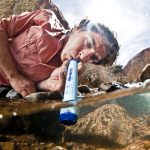
A quality portable filter removes bacteria, protozoa, and even some viruses that cause devastating illnesses when you’re miles from medical help. I’ve tested dozens, and the difference between good and great becomes apparent after your twentieth liter of pond water.
Look for systems combining mechanical filtration with chemical or UV purification for all-encompassing water treatment. The best options weigh under 8 ounces yet filter thousands of gallons. Remember, that crystal-clear stream might be harboring giardia that’ll flatten you faster than any predator. Your water purification system isn’t just gear—it’s life insurance you can drink.
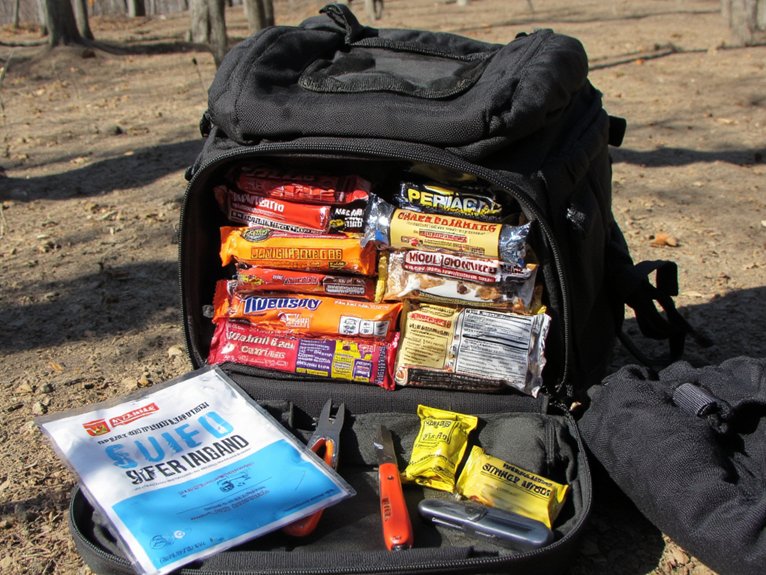
While water keeps you alive, high-calorie emergency rations keep you functioning. Look for compact, shelf-stable options that deliver maximum nutrition with minimal weight. I’ve found that calorie dense snacks like peanut butter packets, protein bars, and trail mix offer the best bang for your buck—both financially and spatially.
Your emergency protein sources should require no preparation. Remember those military MREs? They’re excellent, but commercial alternatives like 3,600-calorie food blocks work just as well. These dense bricks might taste like sweetened cardboard, but they’ll fuel your body for days when cooking isn’t an option.
Don’t forget: calories equal energy, and energy equals survival. Pack at least 2,000 calories per day for three days. Your future hungry self will thank you when that granola bar tastes better than a five-star meal.
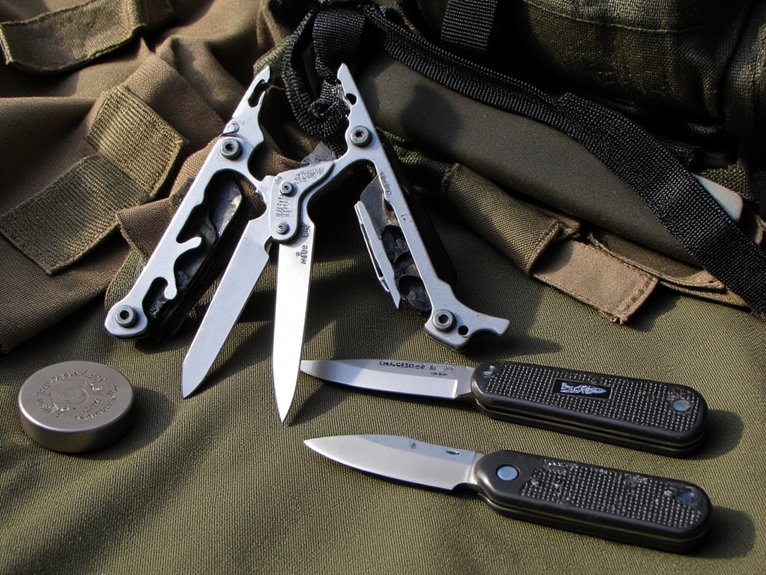
When your survival depends on adaptability, a quality multi-tool or knife becomes your most versatile ally. Look for a multi-tool with at least 10 functions including pliers, screwdrivers, and a can opener. The multi-tool versatility you’ll need can’t be overstated—from repairing gear to preparing food, it’s your pocket-sized toolbox.
If you prefer a dedicated blade, survival knife durability should be your priority. Full-tang construction (where the blade metal extends through the handle) prevents catastrophic failure when you least need it. Trust me, I’ve seen cheap knives snap during basic tasks.
Either option works, but I recommend carrying both if space allows. Your knife handles the heavy cutting; your multi-tool tackles the technical jobs. They’re like Batman and Robin for your bug out bag—essential partners in survival.
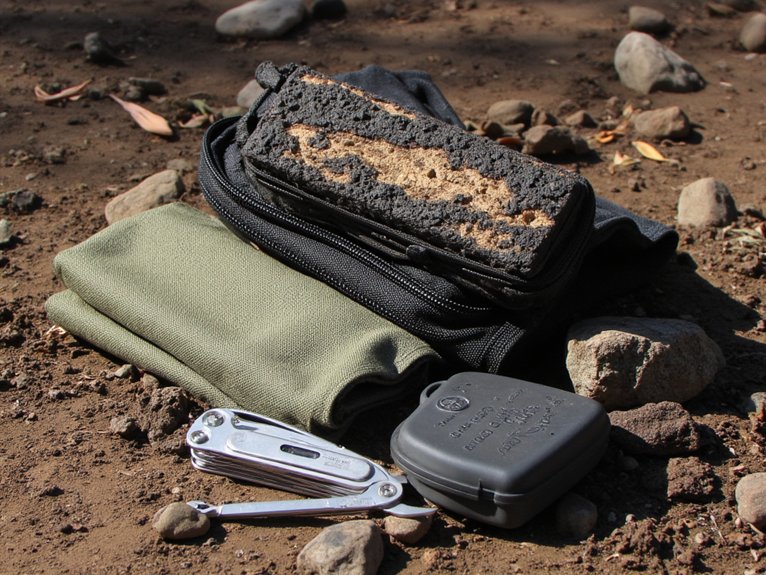
When you’re soaked to the bone and shivering in a downpour, a standard BIC lighter becomes nothing more than pocket weight. You’ll need fire-starting equipment that laughs in the face of moisture—think ferrocerium rods, storm-proof matches in waterproof containers, or magnesium fire starters that’ll spark even when completely drenched. The smartest preppers carry multiple ignition methods suited for different environments, because what works in humid jungle conditions might fail you completely on a windswept mountain pass.
Even in the harshest downpours, you’ll need a reliable method to start a fire. Standard matches and lighters fail when wet, leaving you cold and vulnerable in the elements. Invest in storm-proof matches or a ferrocerium rod that creates sparks even when soaked—I’ve personally seen one work after being submerged for an hour.
Don’t forget to protect your kindling! Store cotton balls soaked in petroleum jelly in a waterproof container; they’ll catch a spark and burn for several minutes. Your waterproof clothing and rain gear will keep you dry, but they’re useless if hypothermia sets in because you can’t warm up.
For backup, pack a waterproof lighter that uses a plasma arc instead of flames. They’re pricier than traditional options but worth every penny when you’re shivering in a thunderstorm.
Different environments demand specialized fire-starting approaches, which is why your bug out bag should contain multiple ignition options. Pack waterproof matches, a quality ferrocerium rod, and at least two butane lighters. I’ve found that storm matches ignite even in wind and rain when traditional methods fail.
Remember that ignition safety starts with proper preparation. Clear a 3-foot area of all flammable debris before attempting to start your fire. Don’t waste precious resources by skipping this step—I learned this lesson the hard way during a rainy weekend trip!
Master multiple fire starting techniques for different scenarios. The teepee structure works beautifully in dry conditions, while the log cabin method shields your tinder in windy situations. Your ability to create fire in any environment isn’t just convenient—it’s often the difference between comfort and catastrophe.

Your first aid kit shouldn’t be a one-size-fits-all solution, but rather a personalized medical arsenal tailored specifically to your health needs. When building your kit, always include duplicates of your prescription medications—those little orange bottles can mean the difference between a manageable emergency and a life-threatening crisis. Remember to check and rotate your medications every six months, as expired pills might fail you precisely when you’re counting on them most.
While standard bug out bags contain essential first aid supplies, a truly effective emergency kit must be customized with your personal medical needs in mind. Your unique health situation demands customization options beyond the basics. Remember, what works for someone else might not be sufficient for you.
Consider adding these personal needs to your kit:
Don’t just copy someone else’s bug out bag checklist. Your survival kit should reflect your specific health requirements, geographical area, and the emergencies most likely in your region.
Three critical medications must be included in your bug out bag if you rely on prescription drugs for health maintenance. First, pack a week’s supply of heart or blood pressure medications—these aren’t optional in emergencies. Second, include insulin or diabetes management drugs with proper storage solutions. Third, don’t forget seizure or neurological medications that prevent dangerous withdrawal symptoms.
Effective medication management requires proper organization. Keep a laminated health record with your prescriptions’ names, dosages, and physician contact information. I’ve found that waterproof pill containers labeled by day work wonders during evacuation chaos. Trust me, you’ll thank yourself when you’re not playing “guess the pill” by flashlight!
Remember to rotate medications monthly—expired drugs won’t help when you need them most. Your future self will appreciate this small but life-saving preparation.
As I mentioned in the previous section, medication rotation requires vigilant attention to detail. Proper medication management isn’t just about having pills—it’s about having viable ones. Medications expire, and when they do, their effectiveness plummets. Your bug out bag isn’t the place for pharmaceutical roulette.
Implement these pill rotation strategies:
Don’t wait for an emergency to discover your pain relievers turned into useless tablets six months ago. Trust me, there’s nothing worse than counting on medicine that can’t deliver when you need it most.
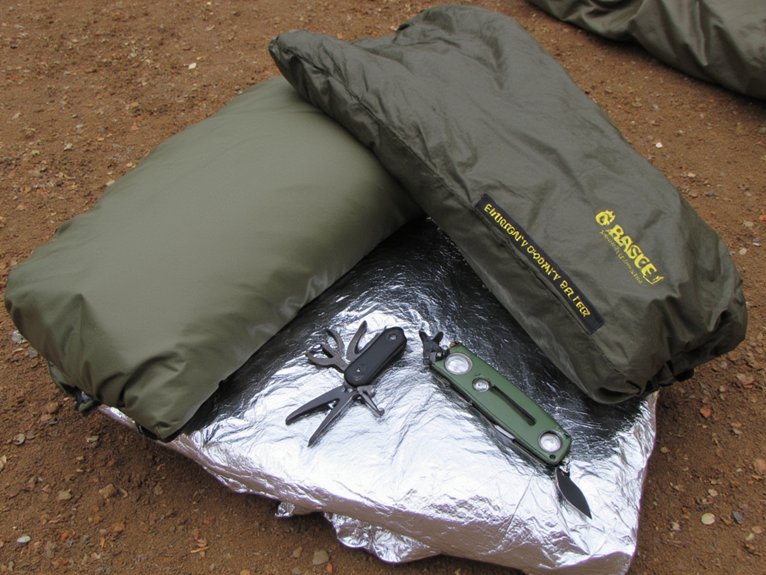
When disaster strikes, you’ll need a reliable place to rest and take shelter from the elements. Don’t skimp on portable shelters—a lightweight tarp or emergency tent weighs barely a pound but can mean the difference between hypothermia and survival. I’ve spent nights under both during unexpected downpours, and trust me, proper setup matters.
Your sleeping gear should include a compact sleeping bag rated for your region’s lowest temperatures. Complement it with a thermal reflective blanket that traps body heat and weighs next to nothing. Inflatable sleeping pads provide essential insulation from the cold ground—they’re worth the extra ounces.
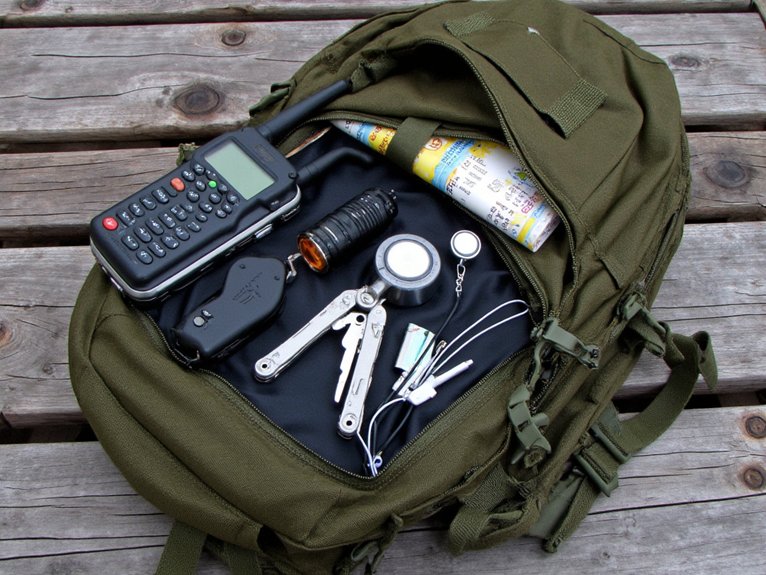
In a crisis, you’ll need reliable ways to call for help or coordinate with others, which is why a quality two-way radio deserves prime real estate in your bug out bag. Consider compact GMRS or ham radios with multiple channels and weather alerts, though remember that ham operation requires licensing (worth getting if you’re serious about preparedness). Beyond electronic options, never underestimate low-tech alternatives like a signal mirror, whistle, or even colored smoke devices—these can be lifesavers when batteries fail or signals can’t penetrate dense terrain.
During a crisis, maintaining communication with your group or accessing emergency broadcasts can make the difference between safety and serious trouble. When selecting a two-way radio for your bug out bag, consider reliability over fancy features. I’ve tested dozens in real emergencies—trust me, simplicity wins.
Consider these essential two-way radio options:
Signal mirrors may be the traditional choice for visual communication, but they’re not your only option when you’re stranded and need to alert rescuers. Compact emergency strobes, weighing just ounces, offer powerful visual signaling without requiring sunlight. I’ve found them particularly effective during overcast days when reflective signaling fails completely.
Don’t overlook everyday items either. Your smartphone’s flashlight, especially in SOS mode, can signal effectively at night. (Just preserve that battery!) Credit cards or aluminum foil can serve as makeshift reflectors in a pinch—not as efficient as proper gear, but they’ll work.
My favorite alternative? A small tactical flashlight with multiple modes. Unlike mirrors that need perfect angles and sunshine, these work in all conditions. Pack one with a reflective backing for the best of both worlds.
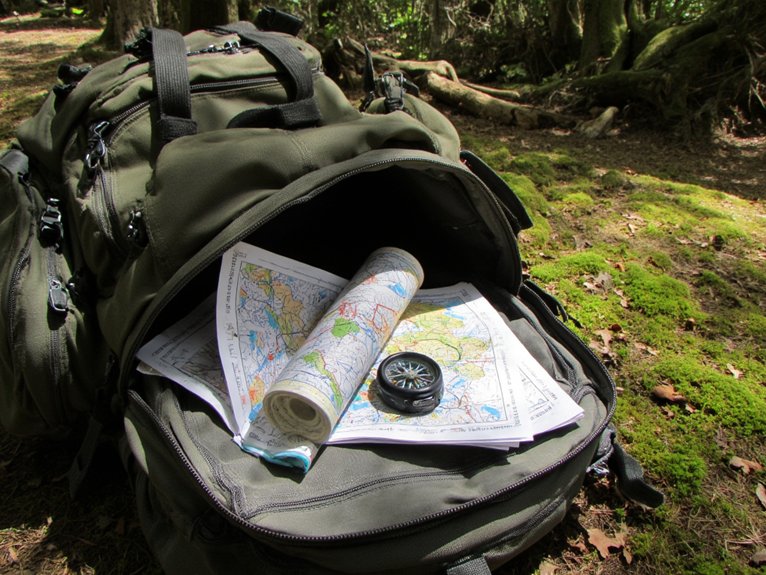
When you’re lost in unfamiliar terrain, even the most meticulously packed bug out bag becomes useless without proper navigation tools. Your survival depends on knowing where you are and where you’re going. Local maps and compass navigation aren’t just helpful—they’re essential.
Here’s what you should include:
Don’t rely solely on digital navigation. Your phone or GPS will eventually die, leaving you stranded. Traditional navigation skills never run out of battery. Trust me, I’ve been thankful for my dog-eared local maps when my fancy tech failed during a three-day wilderness trek.
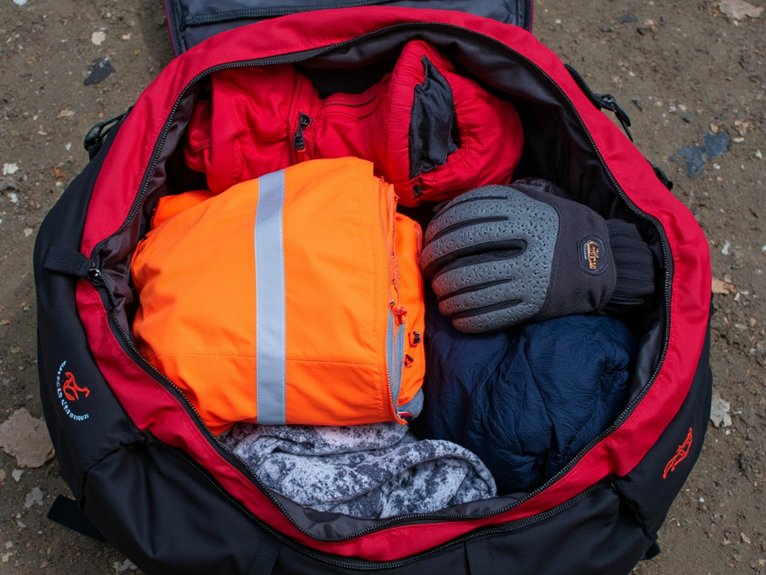
Although survival experts often prioritize food and water, your ability to regulate body temperature through proper clothing might save your life long before starvation becomes an issue. Hypothermia can kill in hours, while dehydration takes days.
Pack your bug out bag with layered insulation that you can add or remove as conditions change. Include moisture-wicking base layers (your sweaty cotton t-shirt becomes a hypothermia risk when temperatures drop), an insulating mid-layer like fleece or wool, and weatherproof gear for your outer shell. Don’t forget a compact hat and gloves—you’ll lose significant heat through your extremities.
Remember those emergency space blankets? They’re worth their weight in gold. At just ounces, they reflect 90% of your body heat back to you. Consider them your ultralight insurance policy against Mother Nature’s mood swings.
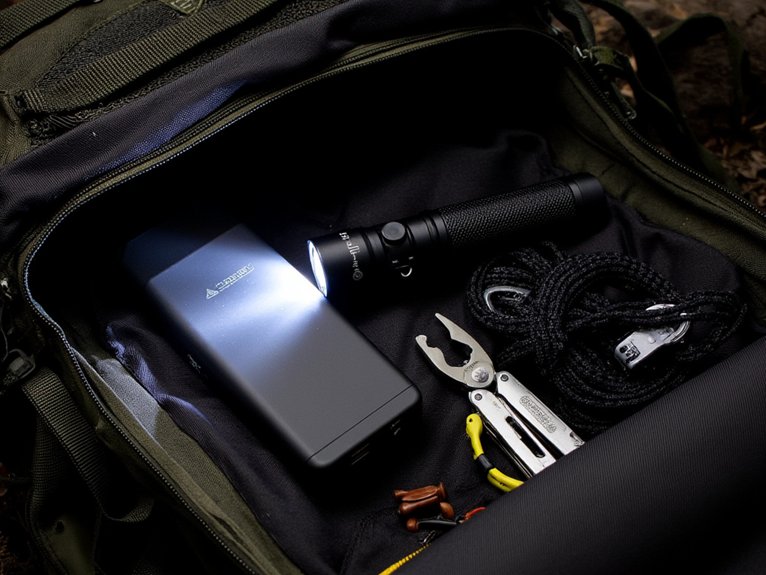
In the dark chaos of an emergency situation, your tactical flashlight becomes not just a convenience but a critical survival tool. You’ll need a reliable model with at least 500 lumens and multiple lighting modes. Don’t skimp on quality here—your life might depend on it. Proper flashlight maintenance guarantees functionality when you need it most.
For ideal battery storage and performance:
Paracord or durable rope should never be overlooked in your bug out bag, as it transforms from a simple item into potentially hundreds of survival applications when you’re in a pinch. You’ll want to pack at least 50 feet of 550 paracord, which gets its name from its impressive ability to hold up to 550 pounds despite weighing next to nothing. Whether you’re constructing an emergency shelter, fashioning a makeshift tourniquet, or hauling supplies across difficult terrain, this versatile cordage might just save your life when other gear fails.
When you’re building a thorough bug out bag, few items match the versatility and importance of durable rope or paracord. This multi-purpose survival tool can literally be a lifesaver in countless emergency situations. I’ve personally used paracord in ways I never anticipated during wilderness excursions.
Here’s why this versatile gear deserves prime real estate in your bug out bag:
Don’t skimp on quality—opt for genuine 550 paracord that can support 550 pounds when intact.
Although many people underestimate the importance of weight-bearing capacity, it’s actually one of the most critical factors when selecting paracord for your bug out bag. You’ll want to choose paracord with a minimum 550-pound load bearing strength – hence why genuine “550 paracord” has earned its reputation among preppers.
I’ve tested dozens of options, and trust me, that cheap knock-off won’t cut it when you’re suspending food caches or creating an emergency shelter. The weight capacity isn’t just about holding heavy items; it’s about reliability when your life depends on it. Military-spec paracord can support your entire body weight (plus gear) during an emergency rappel situation. Remember: in survival scenarios, your rope’s breaking point shouldn’t be discovered the hard way. The extra ounce of quality paracord is worth its weight in gold.
While survival gear and emergency tools form the backbone of your bug out bag, maintaining personal hygiene during a crisis isn’t just about comfort—it’s critical for your health and survival. When I spent three days in the wilderness after a flash flood, my sanitation supplies prevented what could have been a nasty infection.
Your bug out bag should include:
Trust me, you’ll appreciate these personal hygiene items when you’re three days into an evacuation with no access to running water. They’re lightweight but invaluable.
Because a crisis situation can attract dangerous individuals looking to exploit vulnerability, you’ll need reliable self-defense options in your bug out bag. While firearm preferences vary widely, if you’re trained and legally permitted for concealed carry, a compact handgun with appropriate ammunition might be your primary option.
Don’t overlook non-lethal alternatives. Self defense sprays like pepper spray offer effective deterrence with fewer legal complications. A sturdy tactical flashlight serves double duty—providing illumination and, in a pinch, a striking tool. I’ve found that a quality folding knife is invaluable, not just for protection but as a multi-purpose survival tool.
How quickly could you replace your driver’s license, passport, or insurance information if disaster struck? When you’re evacuating, these legal documents aren’t just paperwork—they’re your identity and financial lifeline. That’s why a waterproof container filled with essential documents deserves prime real estate in your bug out bag.
Here’s what to include:
The financial system you rely on today may be completely inaccessible tomorrow during a disaster. ATMs won’t work, credit cards become useless plastic, and your digital assets? Inaccessible. This is why carrying cash is non-negotiable for your bug out bag—specifically small bills ($1s, $5s, and $10s) that don’t require change.
For cash storage options, consider waterproof money belts or specialized hidden compartments in your bag. I’ve found that distributing cash in multiple locations prevents catastrophic loss if one area is compromised.
Beyond currency, effective bartering strategies require portable valuables. Pack mini bottles of alcohol, cigarettes (even if you don’t smoke), fishing hooks, lighters, or batteries. These mundane items transform into gold when systems collapse. Remember, what seems trivial now might be someone’s desperate need later.
Your bug out bag should weigh 20-25% of your body weight for ideal mobility. Consider backpack ergonomics and weight considerations when packing—you’ll need to carry it during emergencies without strain.
For effective perishables management, you should rotate food every 6-12 months. Check expiration dates quarterly and implement a first-in, first-out food rotation system to maintain freshness in your supplies.
You should customize smaller, age-appropriate bags for children. It’s safe for them to carry light essentials, but you’ll need to adjust weight based on their age and strength.
You’ll want to include mindfulness techniques like written affirmations and calming tools such as stress balls, photos of loved ones, or a journal to process emotions during high-stress situations.
Practice regular navigation drills in various weather conditions. Organize your kit for quick access to essentials. You’ll build muscle memory and confidence while identifying what’s missing or unnecessary.