Physical Address
304 North Cardinal St.
Dorchester Center, MA 02124
Physical Address
304 North Cardinal St.
Dorchester Center, MA 02124

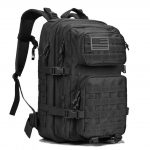
You’ve packed that bug-out bag, but have you actually tested it under pressure? I’ve seen seasoned preppers collapse under the weight of their “perfect” kits, unable to reach safety when it mattered most. The irony is painful: the very tools meant to save your life can become the reason you don’t make it. Before disaster strikes, let’s examine the deadly mistakes that transform survival gear into survival liabilities.

When putting together your bug out bag, you’re likely to fall into the trap of overpacking, which is perhaps the most common and potentially dangerous mistake you can make. I’ve seen 70-pound packs that would exhaust Navy SEALs, let alone average folks in crisis situations.
Effective weight management means ruthlessly prioritizing items based on survival value, not comfort. Remember, you’ll be carrying this load while stressed, possibly injured, and likely sleep-deprived. Your physical endurance will already be compromised.
A good rule: keep your bag under 20% of your body weight. That’s 30 pounds for a 150-pound person—period. Every ounce matters when you’re on day three of evacuation, climbing hills or crossing rough terrain. Trust me, that “essential” camp chair won’t seem worth it when your knees are screaming.

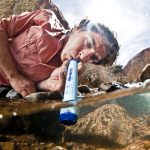
While many preppers obsess over food supplies and tactical gear, they’ll often overlook proper water filtration systems—perhaps the most critical oversight in any bug out bag. You can survive weeks without food but only days without water, and drinking contaminated water introduces risks far worse than thirst.
Water quality becomes unpredictable during emergencies, requiring multiple purification methods for safety:
I’ve learned through wilderness training that redundant systems are non-negotiable. Your primary filter will clog, chemicals run out, or batteries die—usually at the worst possible moment.

The clothing mistake I see repeatedly among new preppers mirrors the water purification oversight—prioritizing appearance over practicality. Your fashion focus could become a deadly liability when you need performance, not style. Cotton kills in survival situations, yet I still encounter bug-out bags packed with everyday cotton clothing.
| Clothing Type | Fashion Focus | Survival Function |
|---|---|---|
| Cotton Shirts | Comfortable, stylish | Holds moisture, causes hypothermia |
| Hiking Pants | Sleek, form-fitting | Quick-drying, multiple pockets |
| Footwear | Urban sneakers | All-terrain boots with ankle support |
| Outerwear | Designer jackets | Waterproof, layerable systems |

Many aspiring preppers create bug out bags as if they’re preparing for a universal disaster scenario, forgetting that survival threats vary dramatically by location. Your bug out strategy in Florida should look nothing like your approach in Montana. Regional hazards demand specific preparations—what works in hurricane country won’t help during a wildfire evacuation.
Don’t pack for the disaster you’ve seen on TV. Pack for the one that’s most likely to happen where you actually live.

Modern preppers often become enamored with high-tech survival gadgets, forgetting that advanced equipment is worthless when batteries die or electronics fail in emergency conditions. You’ll regret depending on a GPS unit with no paper map backup when your device gets soaked or loses power. Always pair complex gadgets with low-tech alternatives.
| High-Tech Item | Low-Tech Backup |
|---|---|
| GPS Device | Maps & Compass |
| Flashlight | Candles & Matches |
| Water Filter | Purification Tablets |
| Radio | Whistle & Signal Mirror |
I’ve learned this lesson the hard way during a three-day hiking trip when my phone died and I relied solely on my trusty compass to navigate back. Complex gadgets provide invaluable assistance, but backup options ensure you won’t be helpless when technology inevitably fails.
You might think that fancy new survival knife or water filter will work flawlessly when disaster strikes, but untested gear often fails at the worst possible moment. When the pressure’s on during an actual emergency, you’ll waste precious time figuring out how equipment works instead of executing your evacuation plan. Testing your bug out bag through practice runs—whether in your backyard or on weekend camping trips—reveals critical equipment failures and knowledge gaps before your life depends on them.
When disaster strikes without warning, that expensive survival knife you’ve never used or the water filter you’ve never assembled can quickly become worthless pieces of equipment. I’ve seen it countless times: someone buys top-tier survival gear but never practices with it. Equipment familiarity isn’t a luxury—it’s essential. You should establish regular maintenance routines for every item in your bag, just like you’d service your car.
Although it seems counterintuitive, the most sophisticated bug out bag in the world becomes virtually useless if you’ve never practiced with it in realistic conditions. I’ve seen it countless times—preppers investing thousands in gear they can’t effectively use when stress levels skyrocket.
| Practice Element | Without Practice | With Regular Practice |
|---|---|---|
| Pack Weight | Unbearable fatigue | Manageable discomfort |
| Navigation | Lost, disoriented | Confident pathfinding |
| Shelter Setup | 45+ minutes, frustration | Under 10 minutes, automatic |
| Fire Starting | Wasted resources | First-attempt success |
| Tool Familiarity | Dangerous fumbling | Muscle memory operation |
Running practice scenarios doesn’t just build physical competence—it creates mental rehearsals that your brain can access during genuine emergencies. Remember, you don’t rise to the occasion; you fall to your level of training. Schedule quarterly bug-out drills. Your life may depend on it.
Despite careful planning of food, water, and shelter, many preppers fail to adequately stock their bug out bags with proper medical supplies. Your first aid kit isn’t just for paper cuts—it’s your lifeline when professional help isn’t available. I’ve seen too many bags with a few bandages and nothing else. Medication management is vital; without your prescription meds, a three-day evacuation could become life-threatening.
When you’re packing food for your bug-out bag, convenience trumps tastiness every time—those 30-minute gourmet camping recipes won’t serve you well during an emergency evacuation. Ready-to-eat items like energy bars, jerky, and military-style MREs should form your core food supply, eliminating the need for elaborate cooking equipment or extended preparation time. Remember that firing up a stove or building a cooking fire not only consumes precious time and resources but also creates smells, smoke, and light that could attract unwanted attention from both hungry strangers and predators.
Since you’re planning for emergencies where time and resources are limited, storing foods that require extensive preparation in your bug out bag is a classic rookie mistake. I’ve learned this the hard way during training exercises—when psychological resilience is already tested, the last thing you want is complicated meal prep. Your emergency communication devices won’t help you find a pressure cooker in the wilderness!
Instead, prioritize quick-prep options that:
Although many survivalists obsess over calorie-dense foods, ready-to-eat options should form the backbone of your bug out nutrition strategy. When you’re evacuating during a crisis, you won’t have the luxury of simmering rice for 20 minutes or rehydrating freeze-dried meals. You’ll need emergency canned food and ready to eat meals that require zero preparation when you’re on the move.
| Food Type | Preparation Needed | Stress Level | Recommendation |
|---|---|---|---|
| MREs | None | Low | Essential |
| Emergency bars | None | Low | Pack several |
| Canned tuna | Can opener only | Medium | Limited quantity |
| Dehydrated meals | Boiling water | High | Minimal inclusion |
I’ve learned this lesson the hard way—standing in pouring rain trying to cook pasta isn’t fun. Prioritize items you can eat straight from the package when things go sideways.
Beyond the inconvenience of preparation time, cooking during an emergency creates a dangerous sensory beacon that can attract unwanted attention. The aroma of food can travel for miles, potentially drawing both hungry strangers and predatory wildlife to your location. I’ve seen firsthand how cooking hazards multiply in crisis situations when people aren’t thinking about security.
Remember that food safety concerns don’t disappear during emergencies either. Without proper refrigeration, partially used ingredients can spoil quickly, leaving you with digestive issues when medical help isn’t available. Keep it simple.
While many preppers focus on stockpiling food and water, they’re often woefully underprepared when it comes to navigation tools and skills. I’ve seen countless bug out bags missing basic compass skills and map reading knowledge, leaving their owners vulnerable when GPS devices inevitably fail.
| Navigation Item | Why It’s Critical | Common Mistake |
|---|---|---|
| Topographic Map | Shows terrain features | Only packing digital maps |
| Compass | Works without batteries | Never practicing before emergency |
| Local Area Knowledge | Shortcuts and water sources | Assuming you’ll “figure it out” |
Don’t be that person wandering aimlessly when disaster strikes. Practice reading your map now, learn to triangulate your position with a compass, and memorize at least three evacuation routes from your home. Your survival might depend on these seemingly old-fashioned skills.
Many preppers meticulously stock their bug out bags with survival gear but fail to develop a strategic evacuation plan that actually guides their packing decisions. Without predetermined evacuation routes and safety zones, your perfectly packed bag becomes little more than a heavy burden during a crisis.
I’ve seen too many bug-out bags packed for generic “survival” rather than specific scenarios. Your bag should reflect your actual plan, not simply what survival forums recommend.